Why South Korea and the US Hold Joint Military Drills (And Why They Matter)
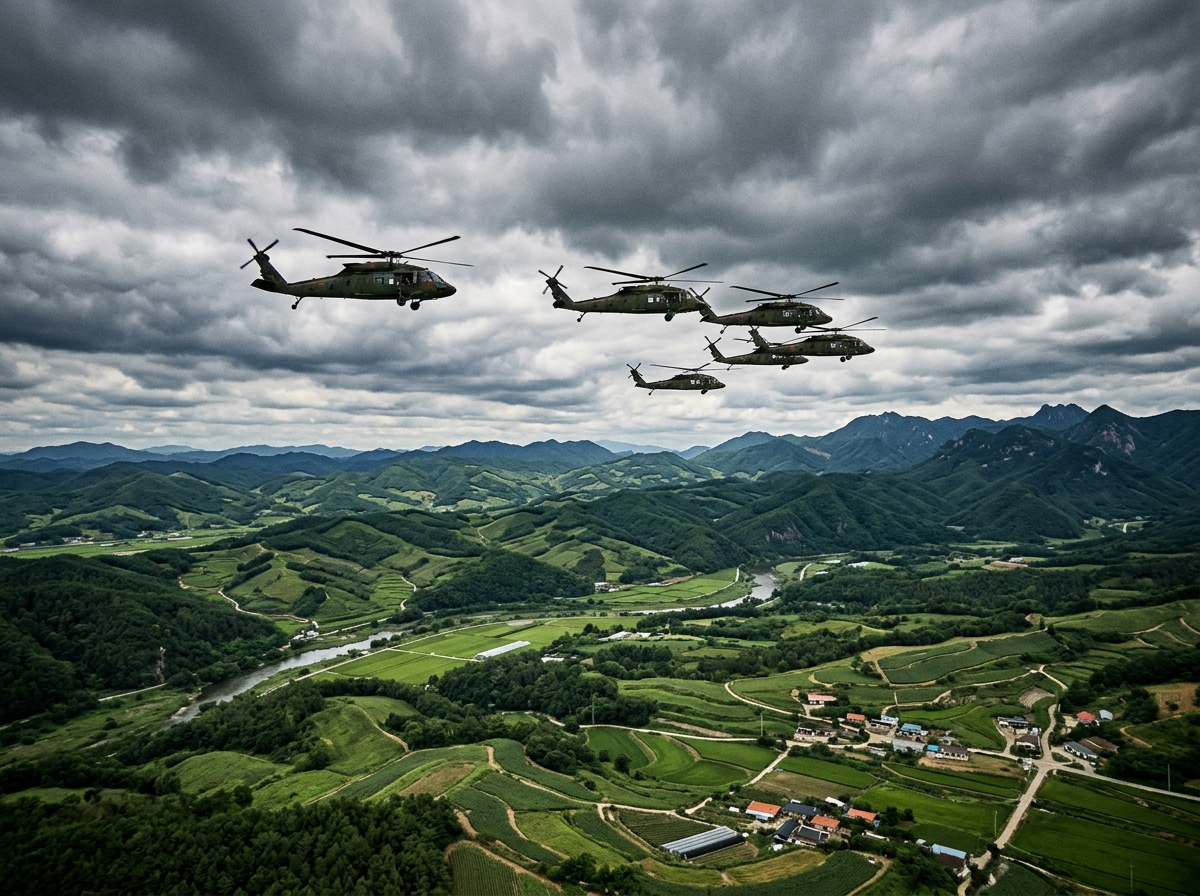
If you’ve seen headlines about US-South Korea military drills making waves in East Asian politics, you’re probably wondering: what exactly are these exercises, and why does anyone care? For anyone not steeped in Korean Peninsula politics, the entire topic can feel like diplomatic alphabet soup. Here’s what you actually need to know about these joint military exercises, why they’ve been happening for decades, and what role they play in one of the world’s most sensitive geopolitical hotspots.
What Are US-South Korea Military Drills?
The United States and South Korea conduct joint military exercises multiple times per year, typically involving tens of thousands of troops, naval vessels, aircraft, and sophisticated coordination drills. These aren’t small operations—major exercises like Ulchi Freedom Shield (usually held in August) and Foal Eagle involve elaborate scenarios ranging from amphibious landings to cyber defense simulations.
The exercises serve as training for both militaries to work together seamlessly. South Korean forces practice alongside American units, testing communication systems, rehearsing response protocols, and maintaining operational readiness.
Think of it like a massive, months-planned fire drill—except the potential “fire” is a military conflict on the Korean Peninsula, and the drill involves aircraft carriers, fighter jets, and thousands of personnel.
Why Does South Korea Need US Military Support?
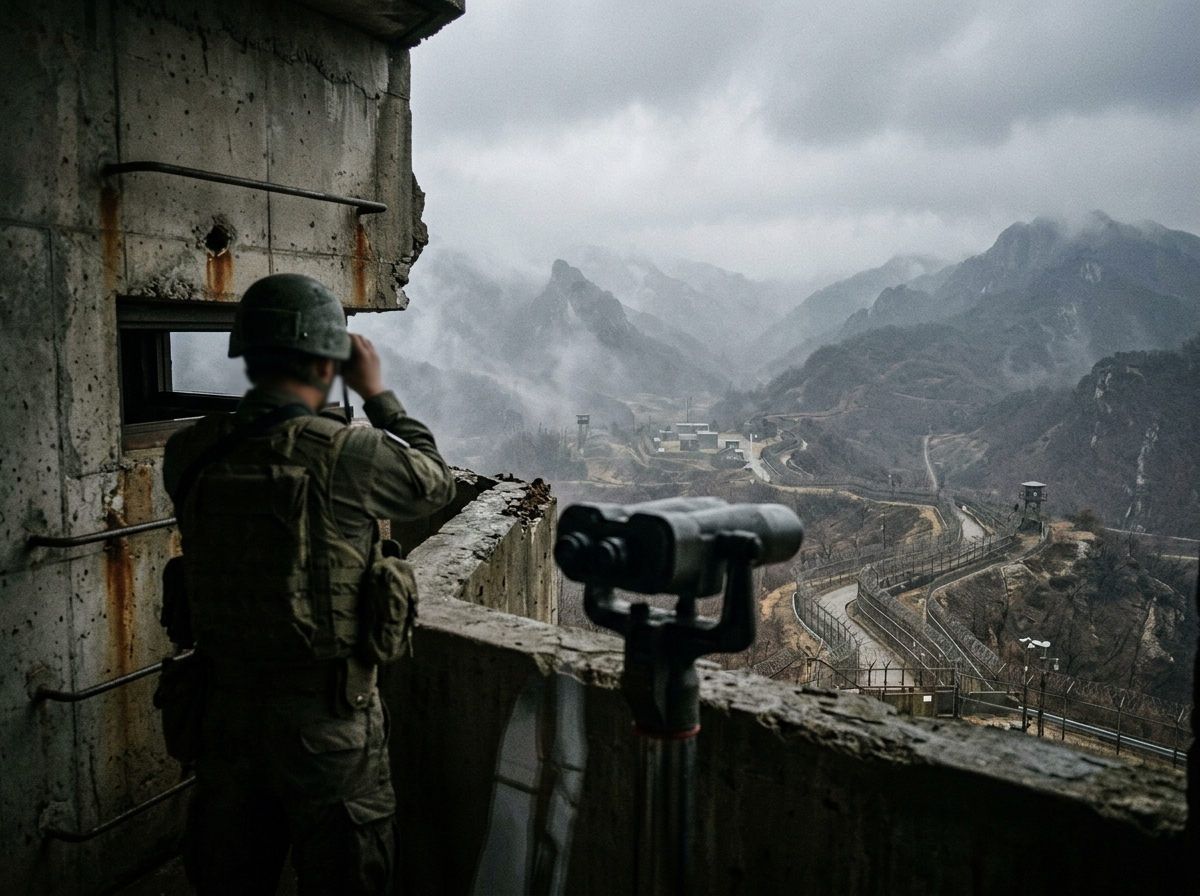
To understand why these drills exist, you need context most international headlines skip: South Korea and North Korea are still technically at war. The Korean War (1950-1953) ended in an armistice, not a peace treaty. The two countries remain divided along the Demilitarized Zone (DMZ), one of the most heavily fortified borders on Earth.
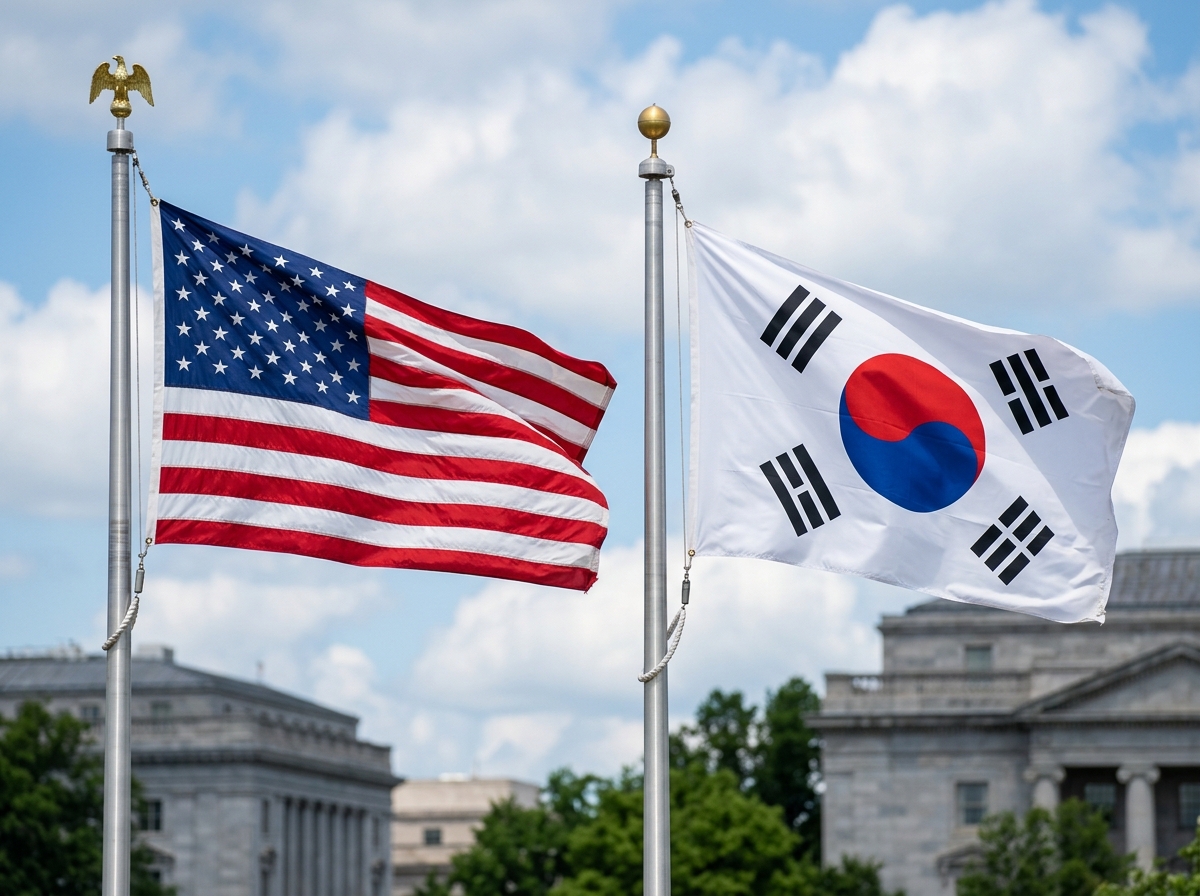
The United States has maintained a military presence in South Korea since the war, with roughly 28,500 American troops currently stationed there. This presence stems from a mutual defense treaty signed in 1953, committing the US to help defend South Korea in case of attack.
The North Korea Factor
North Korea maintains one of the world’s largest standing armies—over 1.2 million active personnel—and has pursued nuclear weapons development for decades despite international sanctions. South Korea’s population is about twice that of the North, and its economy is vastly larger, but the threat of sudden artillery strikes on Seoul (which sits just 35 miles from the border) or missile attacks keeps security concerns front and center.
The joint drills are designed to deter North Korean aggression and reassure South Korea that its American ally is ready to respond if needed.
Why Do These Drills Make Headlines?
Here’s where regional politics get complicated. North Korea views these exercises as rehearsals for invasion and typically responds with inflammatory rhetoric, missile tests, or other shows of force. From Pyongyang’s perspective, having tens of thousands of foreign troops practicing military operations near its border is genuinely threatening.
China, North Korea’s primary ally and economic lifeline, also objects to the drills—especially when they involve advanced military assets near Chinese waters. Beijing worries about US military power projection so close to its borders and prefers a de-escalated Korean Peninsula where its influence holds more sway.
The Diplomatic Balancing Act
When headlines mention “drill cuts,” they’re usually referring to diplomatic efforts to ease tensions. Scaling back exercise size or frequency is sometimes offered as a goodwill gesture during negotiations with North Korea—or, more broadly, to address concerns from China and other regional players.
But here’s the tension: South Korea’s security establishment generally wants robust drills to maintain readiness, while diplomatic efforts to lower temperatures sometimes require scaling them back. It’s a constant balancing act between deterrence and dialogue.
💡 Good to know: When drill schedules change, it often signals shifting diplomatic winds in the region—pay attention to why exercises are being adjusted, not just that they are.
How Do These Drills Affect Daily Life in South Korea?
For most South Koreans, especially in Seoul and other major cities, joint military exercises are background noise—routine events that barely register unless North Korea responds with particularly aggressive rhetoric or a missile test.
That said, security consciousness is woven into Korean life in ways outsiders might not expect:
- Mandatory military service: Most South Korean men serve roughly 18-21 months in the military, so nearly every family has direct connection to defense issues.
- Civil defense drills: Air raid sirens are tested regularly, and occasional civil defense exercises (though less frequent now than in past decades) remind residents of the peninsula’s security situation.
- News coverage: North Korean provocations and US alliance news get significant media attention, though younger generations tend to be less preoccupied with inter-Korean tensions than their parents.
For travelers and expats, you’ll almost certainly never notice drill activity unless you happen to live near a US military base or training area.
What This Means for Regional Stability
The bigger picture is this: the Korean Peninsula sits at the intersection of four major powers—the US, China, Russia, and Japan—all with competing interests. Military exercises are just one piece of a much larger strategic puzzle.
When drill schedules are adjusted, whether ramped up or scaled back, it often reflects broader diplomatic strategies:
- Increasing drills signals resolve and can reassure South Korea (and Japan) of US commitment.
- Reducing drills can create space for diplomatic engagement but may worry allies about weakening deterrence.
Other regional players watch these shifts closely. The Philippines, for example, has its own territorial disputes with China in the South China Sea and sees US military engagement in the region as a counterbalance to Chinese assertiveness. When US-South Korea drills are cut, countries like the Philippines worry that reduced American military presence or signaling might embolden China elsewhere.
The Takeaway for Outsiders
If you’re trying to make sense of Korean Peninsula headlines, remember: these military drills aren’t just training exercises—they’re diplomatic signals, security reassurances, and geopolitical chess moves all rolled into one. They’ve been happening for decades, they’re not going away, and their size and scope often tell you more about the current state of regional diplomacy than any official statement.
Understanding Korea Beyond the Headlines
For travelers and Korea enthusiasts, it’s easy to see dramatic headlines about military drills or inter-Korean tensions and assume the peninsula is perpetually on the brink. The reality is more nuanced.
South Korea has thrived as a vibrant democracy with a world-leading economy, cutting-edge technology sector, and globally influential culture (K-pop, film, cuisine) despite—or perhaps because of—the unique security environment it navigates. The country has learned to live with uncertainty while building one of Asia’s most dynamic societies.
The joint military drills are part of that reality: serious, important, and routine all at once. Understanding them helps decode not just news headlines, but the broader context that shapes life, politics, and regional relationships on the Korean Peninsula.