The Russia-North Korea Border: Why the World's Most Isolated Frontier Matters
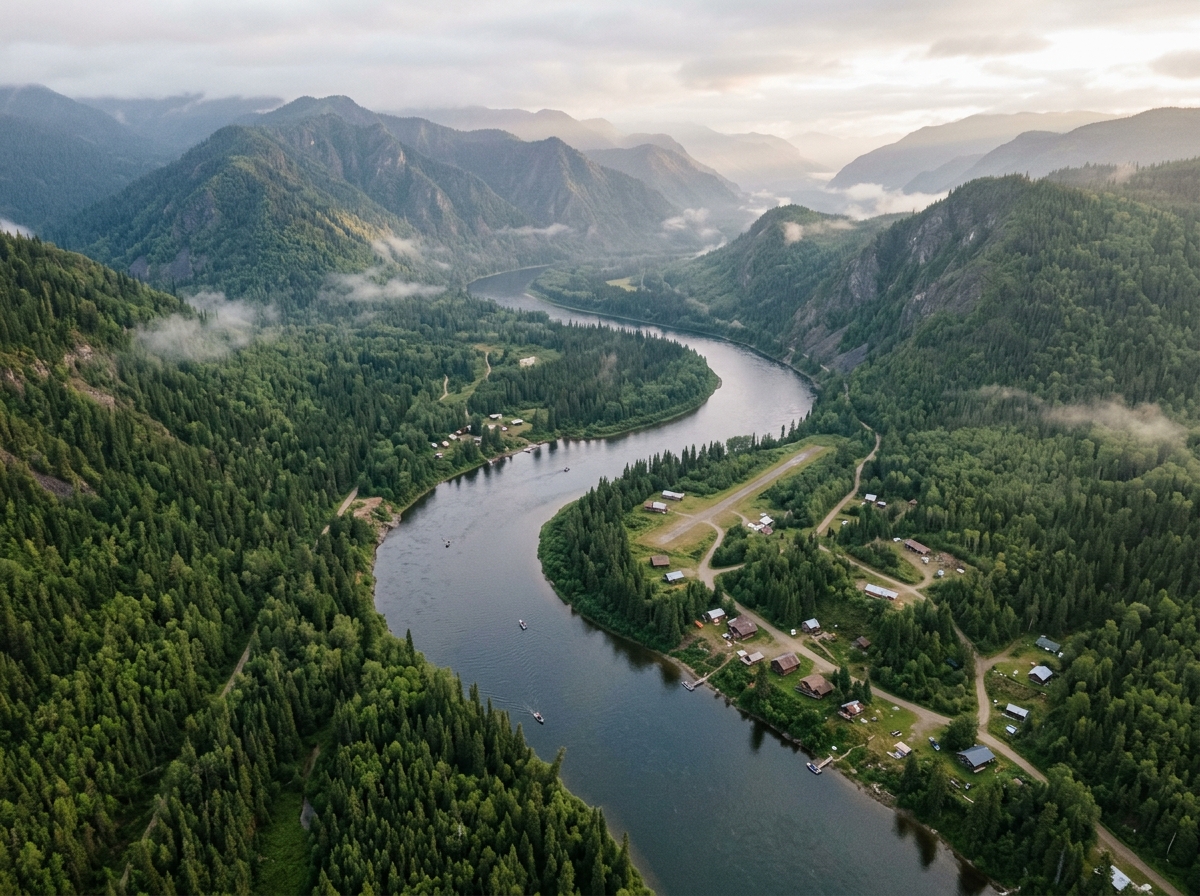
If you’ve ever looked at a map of the Korean Peninsula, you probably noticed that North Korea shares most of its northern border with China. What you might have missed is the tiny sliver where Russia and North Korea actually touch—a remote 11-mile (17-kilometer) frontier along the Tumen River that, until very recently, had no proper road crossing between the two countries. When Russia and North Korea announced they were opening their first official road link across this border, it wasn’t just a diplomatic handshake—it was a window into one of the world’s strangest geopolitical relationships.
Why This Border Even Exists
The Russia-North Korea border is a quirk of late 19th-century empire-building. Originally, the entire northern border of Korea touched China’s Qing Dynasty territory. But in 1860, Russia negotiated the Treaty of Peking, which gave it a small coastal foothold on the Sea of Japan (which Koreans call the East Sea).
This meant carving out a narrow slice of land that pushed Russian territory down to touch the northern tip of what would eventually become North Korea. The result is geographically awkward: Russia’s border with North Korea is barely longer than a half-marathon, squeezed between the much longer Chinese-North Korean frontier and the sea.
For most of the 20th century, this border was functionally sealed. Even during the Cold War, when the Soviet Union and North Korea were technically allies, crossing points were limited to a single railway bridge near the towns of Khasan (Russia) and Tumangang (North Korea).
What Makes This Frontier So Isolated
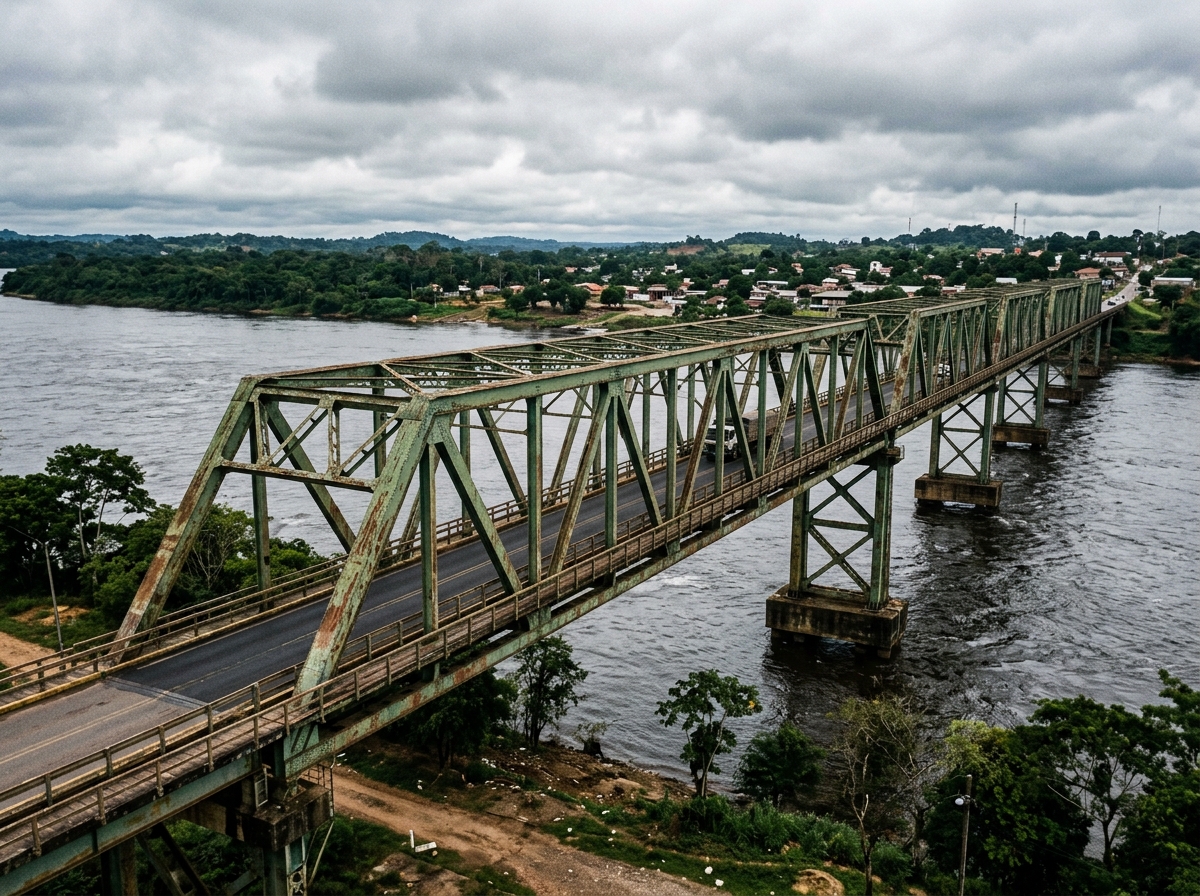
To understand why this border matters—and why a road link is genuinely significant—you need to picture the landscape. The Tumen River forms a natural barrier, winding through mountainous, heavily forested terrain with almost no population on either side.
On the Russian side, you’ll find Primorsky Krai, a sparsely populated region better known for its Pacific port city of Vladivostok (about 100 miles to the northeast) than for cross-border trade. The nearest Russian town of any size to the border crossing is Khasan, population around 600.
On the North Korean side, the situation is even more remote. Rason (sometimes spelled Rajin-Sonbong) is North Korea’s only designated Special Economic Zone in the area, but it remains mostly disconnected from global trade networks and heavily restricted even by North Korean standards.
Who Actually Uses This Border?
Historically, almost no one. The Soviet-era railway bridge carried limited freight—mostly North Korean workers heading to Russian logging camps in exchange for hard currency, or occasional shipments of fuel and goods.
Tourism is virtually nonexistent. While a handful of specialized tour operators run Trans-Siberian Railway trips that technically pass near the border, there are no legal tourist crossings for Westerners at this frontier. Even Russians and North Koreans need special permits.
Why Russia and North Korea Are Strengthening Ties Now
The new road link isn’t just about infrastructure—it’s about economics and alliances. Russia has been increasingly isolated from Western trade networks, while North Korea has faced international sanctions for decades. Both countries see the other as a potential economic lifeline, however limited.
Here’s what each side wants:
| Country | Main Interest |
|---|---|
| Russia | Access to North Korean labor, potential military cooperation, a Pacific ally |
| North Korea | Fuel, food, cash from labor exports, diplomatic support at the UN |
| China | To maintain influence and prevent both from becoming too independent |
China, which handles roughly 90% of North Korea’s trade, watches this relationship carefully. Beijing has historically preferred that North Korea remains dependent on Chinese goodwill, and any alternative trade route—even a small one—shifts that balance slightly.
What This Means for the Korean Peninsula
For South Korea and the international community, infrastructure development on North Korea’s northern borders is a double-edged sword. On one hand, more economic engagement could gradually open North Korea to outside influence. On the other, it gives Pyongyang more room to maneuver around sanctions and reduces pressure to negotiate on nuclear issues.
South Korea itself has complicated feelings about the Russia-North Korea frontier. During the brief thaw in inter-Korean relations in the late 2000s, there were discussions about building a natural gas pipeline from Russia through North Korea to South Korea—a project that would have required stability and trust on this very border. That project never materialized, and current tensions make it unlikely anytime soon.
The Bigger Picture: North Korea’s Other Borders
It’s worth putting this in context. North Korea has two land borders: one with China (about 880 miles) and one with Russia (11 miles). The Chinese border is where the real economic action happens, with truck traffic, river trade, and even some informal smuggling sustaining North Korean markets.
The Russian border, by contrast, has always been a sideshow—until it wasn’t. As geopolitical alignments shift, even a remote 11-mile frontier can become strategically significant.
💡 Good to know: North Korea’s only other international connection is a heavily fortified sea boundary with South Korea. There is no land border crossing between North and South Korea that civilians can use—the Demilitarized Zone (DMZ) remains sealed except for rare diplomatic or family reunion events.
Why This Matters Even If You’ll Never Visit
You’re right to think this border is irrelevant to most travelers—it is. But understanding these quiet geopolitical shifts helps explain the Korea you can visit. South Korea’s security concerns, its mandatory military service, its relationship with the United States, and even the way Koreans talk about unification all trace back to the reality that the North remains isolated, unpredictable, and dependent on partnerships with countries like Russia and China.
Every time North Korea strengthens a connection that bypasses international pressure, it affects the calculus for peace, denuclearization, and eventual reunification. The opening of a remote road bridge won’t change everything overnight, but it’s one more thread in a complex web that shapes the entire peninsula.
The Bottom Line
The Russia-North Korea border is a geographic footnote that occasionally becomes a geopolitical headline. For decades, this remote frontier was little more than a railway bridge and a river. Now, with a new road link, it’s a symbol of shifting alliances in Northeast Asia—a reminder that even the world’s most isolated country has options, however limited.
For travelers interested in Korea, this border will likely remain off-limits for the foreseeable future. But it’s a fascinating piece of context that helps explain the tensions, the alliances, and the stubborn persistence of division on the Korean Peninsula. Sometimes the most important borders are the ones almost nobody crosses.