Nepal's Community in Seoul: Life, Culture, and Resilience
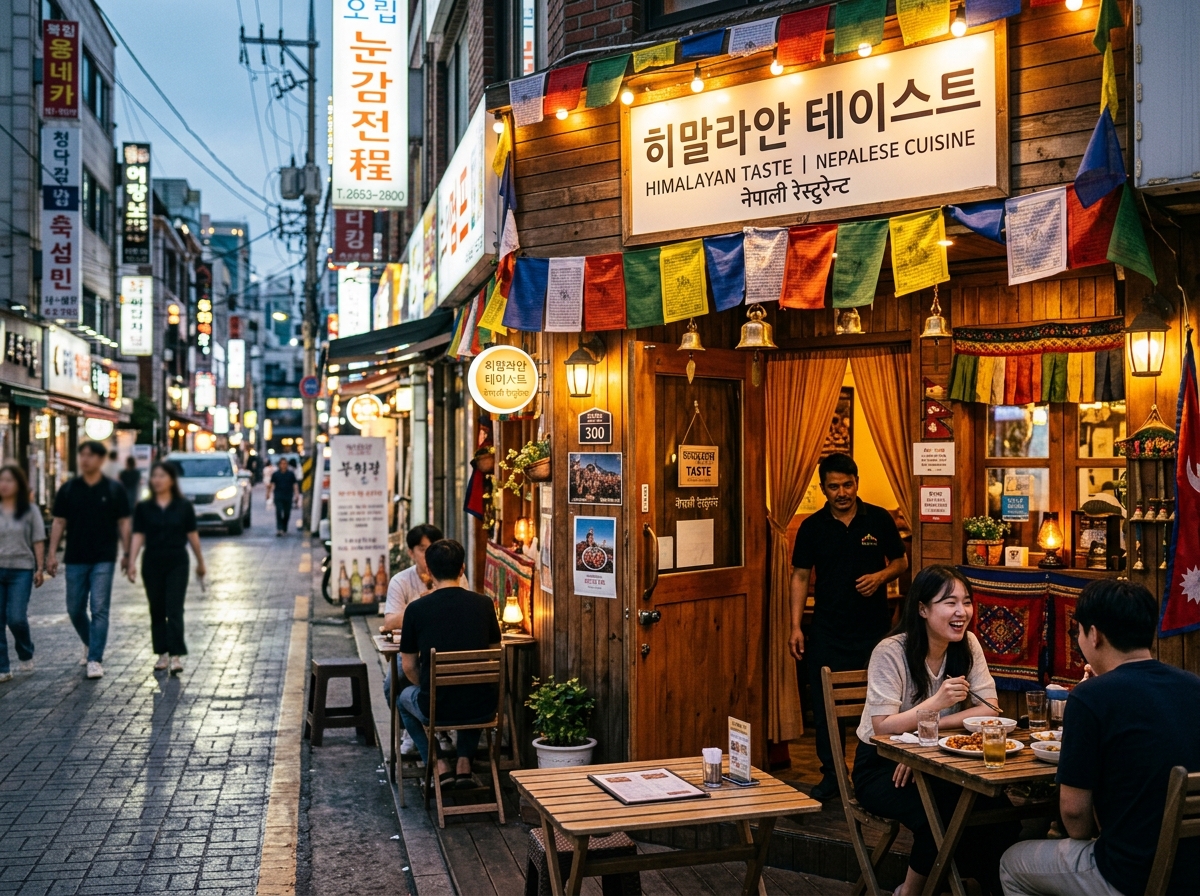
Walk through certain neighborhoods in Seoul—particularly around Hyehwa, Dongdaemun, or the industrial outskirts of Ansan—and you’ll notice something that might surprise first-time visitors: Nepali script on storefronts, the smell of dal bhat wafting from small restaurants, and the sound of Nepali being spoken as fluently as Korean. South Korea is home to one of the largest Nepali diaspora communities in Asia, with over 40,000 Nepali nationals living and working in the country. Their story reveals a lesser-known side of modern Korean society: a rapidly internationalizing nation navigating migration, labor, and multicultural identity.
Why Nepalis Come to South Korea
The migration pattern didn’t happen by accident. Starting in the early 2000s, South Korea faced a severe labor shortage in manufacturing, construction, and agriculture as Korean citizens increasingly pursued white-collar careers and avoided “3D jobs” (dirty, dangerous, difficult).
The government responded by expanding its Employment Permit System (EPS), which allows workers from 16 countries—including Nepal—to apply for legal work visas in specific industries. For Nepalis, where the average monthly wage hovers around $200-300, South Korea offers wages 10-15 times higher, even in entry-level factory positions.
The process is competitive. Prospective workers must pass a Korean language test (EPS-TOPIK) administered in Kathmandu, then enter a selection pool. Those chosen receive E-9 visas valid for up to four years and ten months, with limited extension possibilities. Despite the restrictions and physical distance from home, the financial opportunity remains compelling for many Nepali families.
Where Nepalis Live and Work in Seoul
Unlike some diaspora communities that cluster tightly in a single ethnic enclave, Nepalis in Seoul are more dispersed—but certain areas have become unofficial hubs.
Hyehwa and Seongbuk-gu have concentrations of Nepali-owned restaurants, grocery stores selling beaten rice and spices, and informal gathering spots. On Sundays, you’ll often see groups socializing outside these shops, reminding each other of home.
In the industrial satellite city of Ansan (technically outside Seoul but within the greater metro area), entire factory dormitories house migrant workers from Nepal, Bangladesh, Vietnam, and beyond. The city has actively embraced its multicultural identity, offering free Korean classes and even establishing “Borderless Villages” where signage appears in multiple languages.
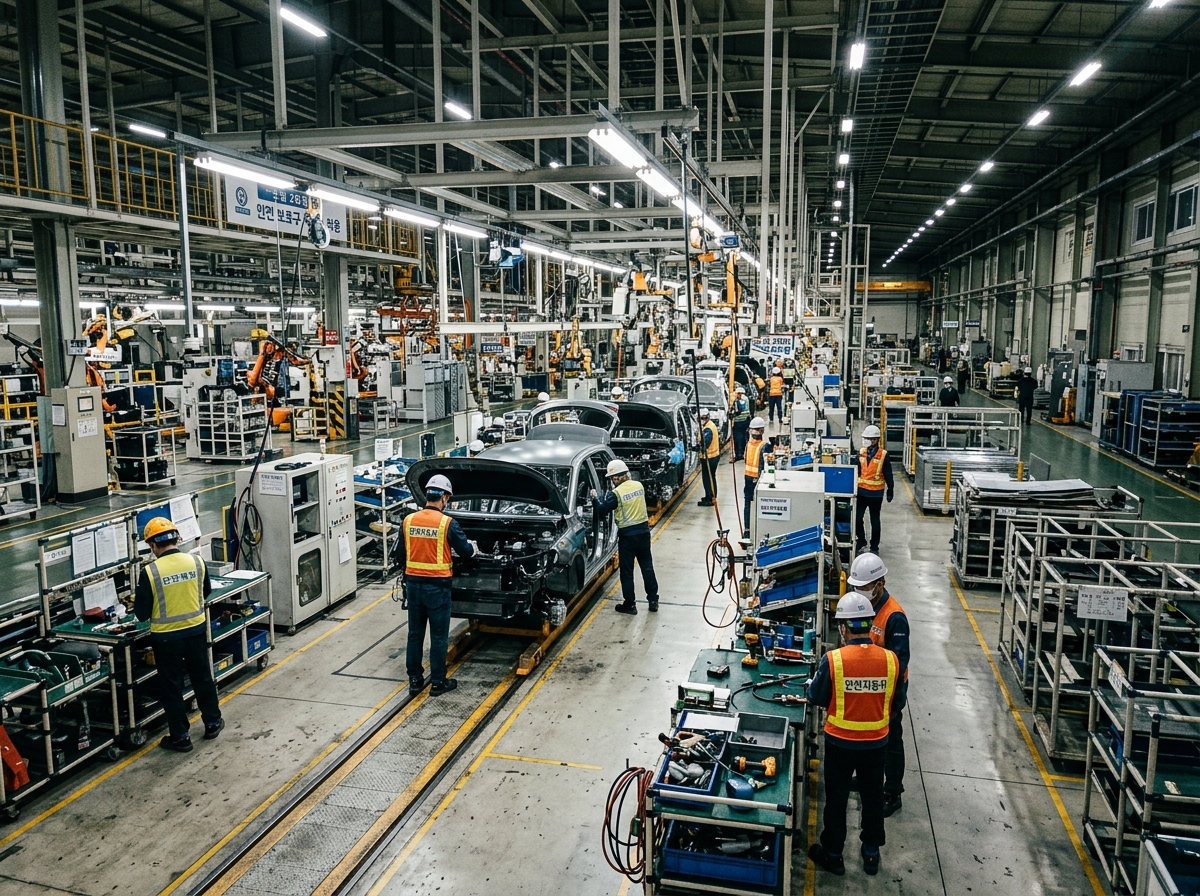
💡 Good to know: Most Nepali workers in Korea are employed in small-to-medium manufacturing plants, producing everything from auto parts to electronics components—the unglamorous backbone of Korea’s export economy.
Work Conditions and Daily Life
The majority of Nepali workers in Korea face a reality far removed from the glitzy Seoul portrayed in K-dramas. Long shifts (often 10-12 hours), physically demanding tasks, and linguistic isolation are common.
Yet many save aggressively, sending remittances back to Nepal that fund family homes, children’s education, and small businesses. For Nepal, these remittances constitute a significant portion of GDP—making the diaspora an economic lifeline.
Community, Culture, and Connection
Despite—or perhaps because of—the challenging work conditions, Nepal’s community in Seoul maintains remarkably strong cultural ties.
Religious and Social Gatherings
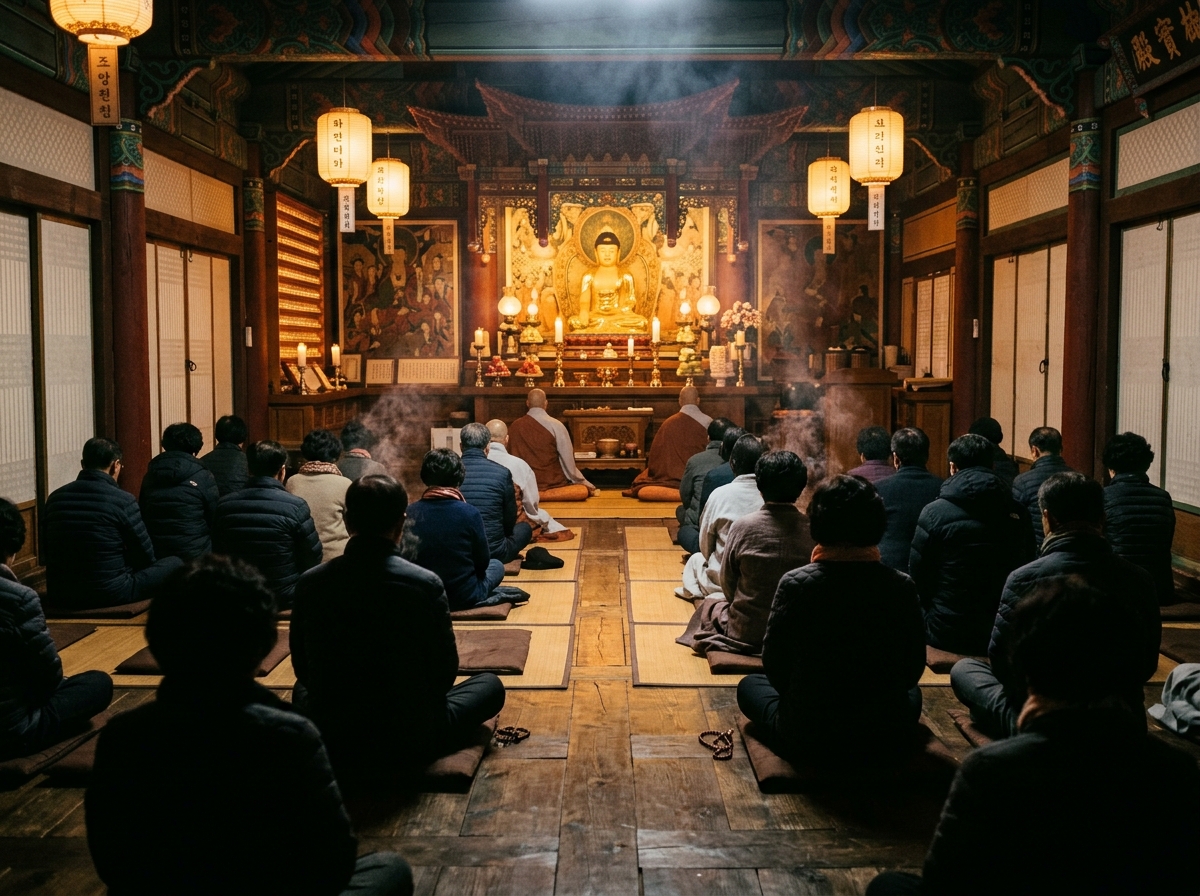
Several Buddhist temples in and around Seoul serve as community centers for Nepali Buddhists, hosting festivals like Dashain and Tihar (the Nepali equivalents of Diwali). Hindu Nepalis often gather at temples in Ansan or community centers that double as informal mandirs.
These gatherings aren’t just religious—they’re vital social infrastructure. News from home spreads here, job leads are shared, and newcomers find mentors who can explain everything from navigating Seoul’s subway to opening a Korean bank account.
Nepali Media and Digital Connection
Nepali-language newspapers, radio programs, and Facebook groups dedicated to “Nepalis in Korea” keep the community informed about both home-country news and practical Korea-living tips. When natural disasters, political changes, or tragedies strike Nepal, these networks mobilize quickly for fundraising and mutual support—sometimes organizing memorial gatherings or donation drives within days.
Korea’s Evolving Relationship with Migration
The Nepali community’s presence reflects broader demographic and economic shifts in South Korea. The country has one of the world’s lowest birth rates and a rapidly aging population, making migrant labor increasingly essential rather than supplementary.
Yet integration remains complicated. The EPS system, while providing legal pathways, is designed for temporary labor—not permanent settlement. Workers can’t easily bring families, change employers, or transition to long-term residency. Some critics call it a “revolving door” that extracts labor without building multicultural society.
Still, change is visible. Cities like Ansan have elected multicultural advisory councils. Korean schools in heavily migrant areas offer Nepali-language support. And second-generation children of earlier migrant waves are growing up genuinely bicultural, fluent in both Korean and their parents’ languages.
Cultural Exchange in Both Directions
The influence isn’t one-way. Nepali restaurants in Seoul have introduced Korean diners to momo dumplings, spicy achar condiments, and sweet sel roti. Some Korean companies now recruit directly in Kathmandu, and a small but growing number of Koreans study Nepali or work in Nepal’s tourism sector, creating reciprocal connections.
What This Means for Visitors and Long-Term Residents
If you’re visiting or living in Korea, exploring these multicultural pockets offers a richer, more complete picture of contemporary Korean society than tourist districts alone.
Try visiting a Nepali restaurant in Hyehwa—many offer English menus and are happy to explain dishes. Attend a multicultural festival in Ansan (usually held in May). Or simply observe how Seoul’s convenience stores now stock phone cards for calling Nepal, or how certain subway announcements now include Nepali alongside Korean, English, Chinese, and Japanese.
Understanding communities like Nepal’s in Seoul reveals an important truth: modern Korea isn’t ethnically homogeneous, and hasn’t been for decades. The official narrative may still emphasize ethnic unity, but on the ground, Korea is quietly, steadily becoming a place where dal bhat and kimchi jjigae coexist—sometimes even on the same block.
Final Thoughts
The Nepali community in Seoul embodies both opportunity and hardship, connection and displacement. These workers build the products Korea exports to the world, yet often remain invisible in mainstream Korean society. They send money home that transforms Nepali villages, yet live far from their own families for years at a time.
When tragedy strikes Nepal—whether floods, earthquakes, or political upheaval—Seoul’s Nepali community doesn’t just watch from afar. They gather, they mourn, they fundraise, and they remind each other that distance doesn’t erase home. Their resilience and solidarity offer a powerful example of diaspora life in the 21st century, and a window into the Korea that exists beyond the headlines and tourism brochures.