Life Beyond the DMZ: What We Know About North Korea Today
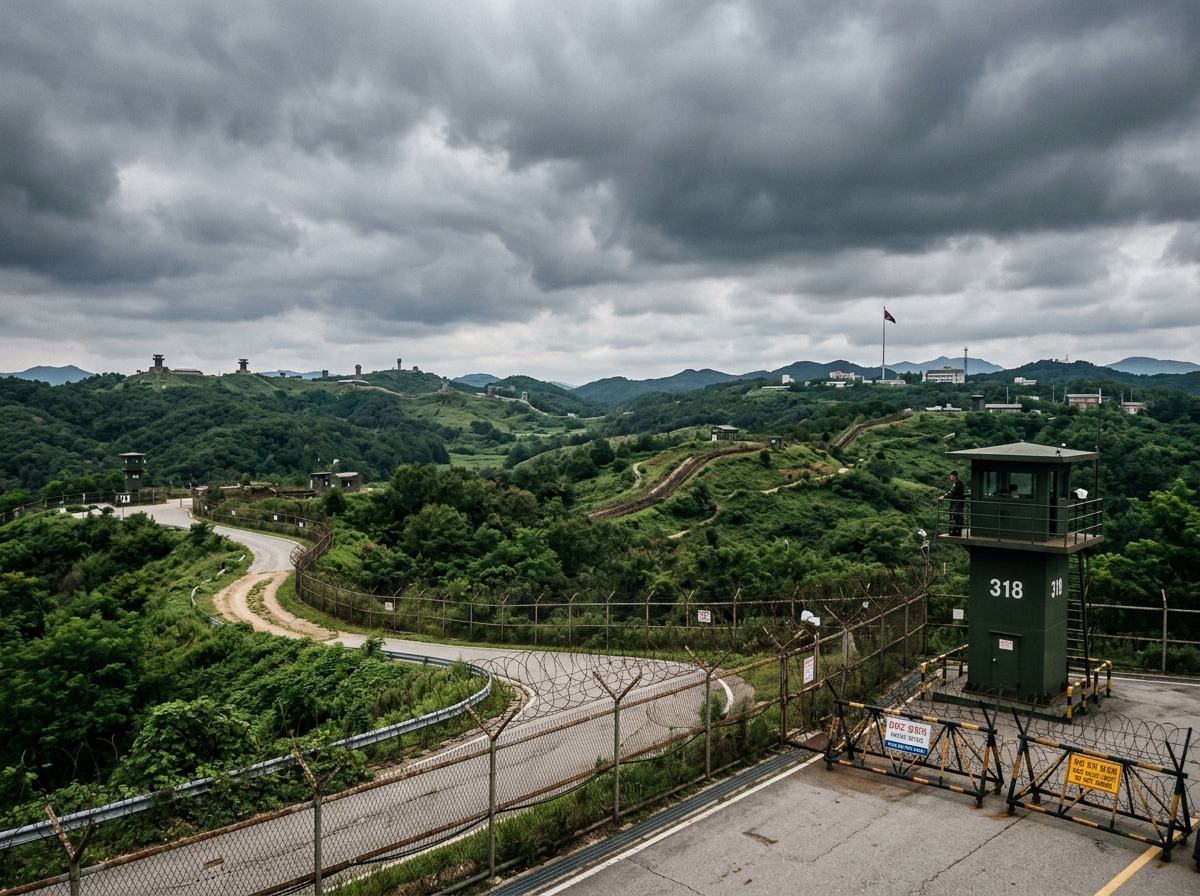
North Korea remains one of the most isolated and misunderstood places on Earth. While occasional news reports offer glimpses beyond the Demilitarized Zone (DMZ), most of us know remarkably little about how 26 million people actually live just across one of the world’s most heavily fortified borders. This isn’t a place you can visit on a whim or explore through a typical travel blog—but that mystery makes understanding what we do know all the more fascinating.
What Is the DMZ, and Why Does It Matter?
The Korean Demilitarized Zone is a 160-mile-long, 2.5-mile-wide buffer that has separated North and South Korea since the 1953 armistice. Despite its name, it’s one of the most militarized borders on the planet, lined with landmines, barbed wire, guard posts, and an estimated two million troops on both sides.
For North Koreans, the DMZ isn’t just a military boundary—it’s the edge of their permitted world. The regime tightly controls who can live near the border, and unauthorized attempts to cross it can result in severe punishment or death.
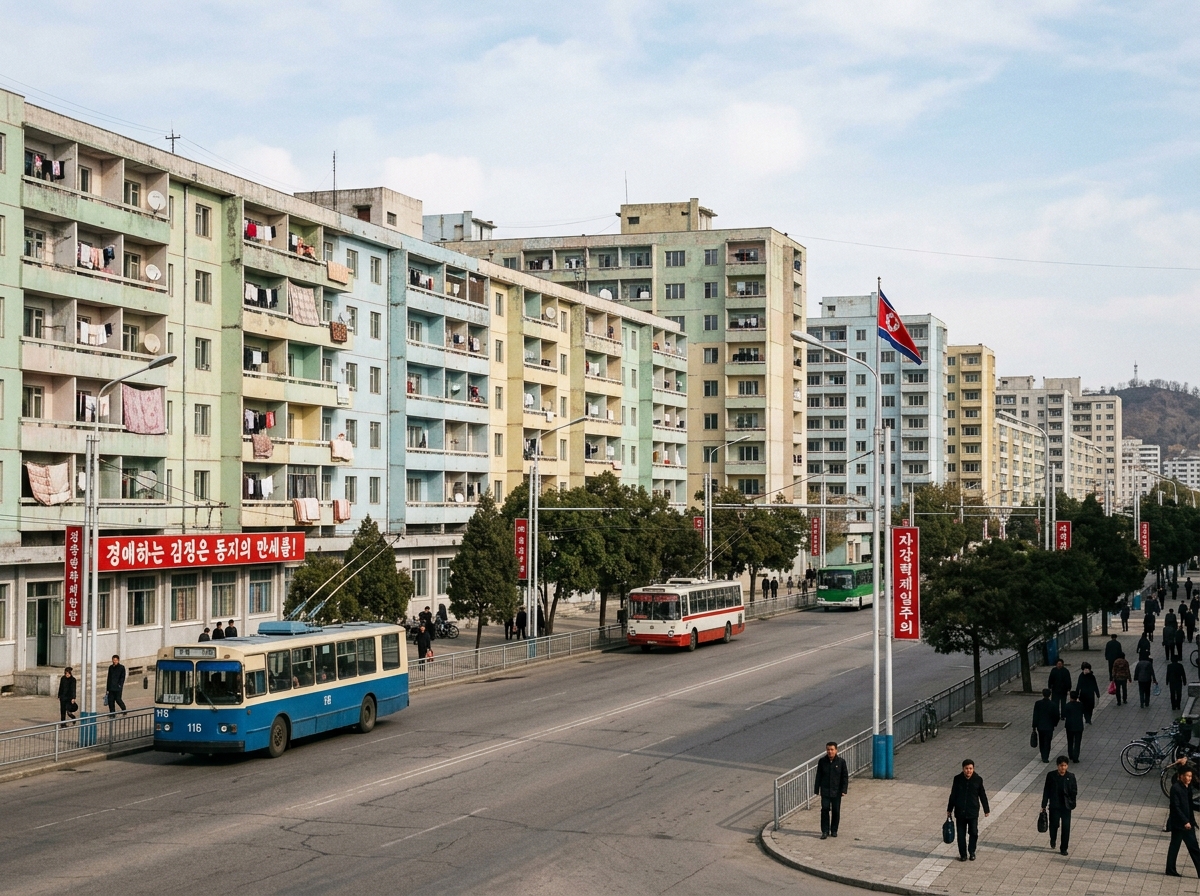
What’s striking is how close the two Koreas are geographically yet how utterly different life is on each side. Seoul sits just 35 miles from the DMZ, close enough that North Korean artillery could theoretically reach it. Yet the capital of South Korea is a gleaming metropolis of 10 million people with world-class transit, K-pop culture, and unlimited internet access—while Pyongyang, the North Korean capital, remains locked in a Soviet-era time capsule with strict information controls.
Daily Life in North Korea: What We Actually Know
Piecing together daily life in North Korea requires combining defector testimonies, satellite imagery, rare journalistic access, and leaked materials. Here’s what emerges from those fragments.
The Songbun System and Social Control
North Korean society operates under songbun, a rigid caste system that divides citizens into three main classes based on their family’s perceived loyalty to the regime during and after the Korean War. Your songbun determines where you can live, what jobs you can hold, and even how much food you receive.
The “core” class (about 25% of the population) includes families of revolutionary heroes and party officials. They get priority access to Pyongyang, universities, and government positions. The “wavering” class forms the majority—farmers, workers, and those without special merit or demerit. The “hostile” class, descendants of landlords, Christians, or anyone deemed politically suspect, faces restricted opportunities and often lives in remote areas.
Work, Food, and the Informal Economy
Officially, North Korea operates a centralized command economy where the state assigns jobs and distributes rations. In reality, the state ration system collapsed during the famines of the 1990s, and most North Koreans now depend on informal markets (called jangmadang) to survive.
These markets sell everything from Chinese-made goods to homegrown vegetables, and women—who dominate market trading—have become the primary breadwinners in many families. Men still report to state-assigned jobs, but those positions often pay little to nothing. The irony: the regime grudgingly tolerates these capitalist-style markets because they prevent mass starvation, even as the official ideology condemns private enterprise.
💡 Tip: Defector testimonies consistently describe a growing wealth gap in North Korea, with those near the Chinese border able to access smuggled goods, foreign currency, and information, while those in the interior remain far more isolated.
Information Control and Daily Propaganda
North Koreans grow up immersed in state propaganda. Loudspeakers in villages broadcast news and ideology. Radios and TVs sold in the country are pre-set to government channels and physically modified so you can’t retune them. Portraits of the Kim family leaders must hang in every home and workplace, and citizens are expected to bow to them.
Yet information is slowly seeping in. USB drives and SD cards smuggled from China carry South Korean dramas, Hollywood movies, and outside news. Watching this content is illegal and risky—punishments can include labor camps or worse—but curiosity and the desire for entertainment drive many, especially younger North Koreans, to take the risk.
The View from Outside: Visiting the DMZ from South Korea
While almost no one can casually visit North Korea, tens of thousands of tourists visit the DMZ from the South Korean side every year. These highly structured tours offer the closest most outsiders will ever get to North Korea.
What You’ll See on a DMZ Tour
Most tours depart from Seoul and take you to sites like:
- The Joint Security Area (JSA) at Panmunjom, where blue UN buildings straddle the military demarcation line and South Korean and North Korean soldiers stand face-to-face
- The Third Infiltration Tunnel, one of several tunnels North Korea dug under the DMZ in the 1970s, apparently for surprise attacks
- Dora Observatory, where you can peer through binoculars at North Korean villages and propaganda billboards across the border
- Dorasan Station, a fully built (but barely used) train station symbolizing hopes for eventual reunification
The experience is sobering. You’ll see razor wire, hear stories of defections and tunnel discoveries, and feel the weight of a conflict that never technically ended—the 1953 armistice was a ceasefire, not a peace treaty.
⚠️ Note: Photography restrictions apply in certain areas, and you must follow strict rules (no pointing, no waving at North Korean soldiers). Tours book up quickly, especially on weekends, so reserve in advance.
Why Understanding North Korea Matters
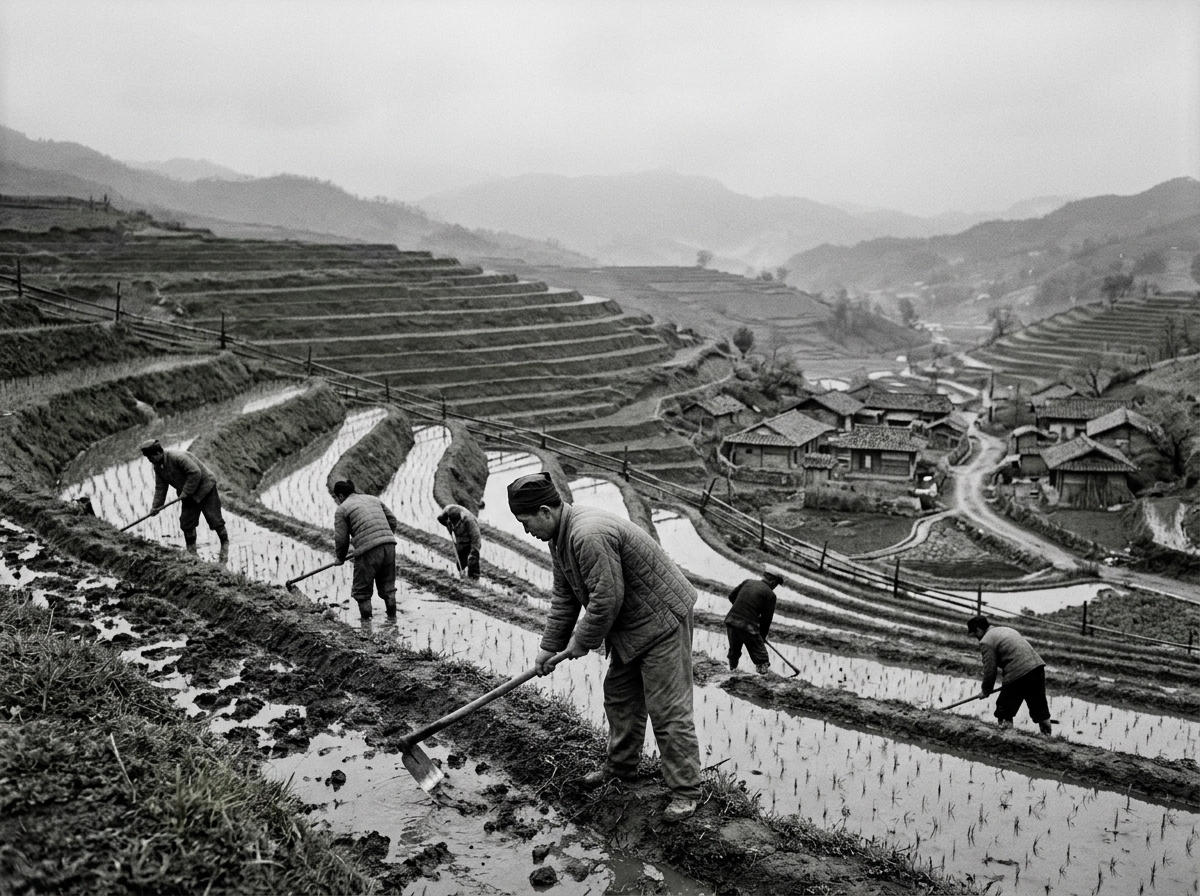
It’s easy to dismiss North Korea as a bizarre hermit kingdom or the punchline of a joke. But 26 million people live there, most of whom were born into a system they didn’t choose and can’t leave.
Understanding the reality beyond the DMZ helps us see past the caricatures. North Koreans aren’t brainwashed automatons—they’re people navigating impossible circumstances, finding ways to feed their families, sneaking moments of entertainment, and quietly adapting to a system that gives them little room to breathe.
For South Koreans, the division is deeply personal. Millions have family members they’ve never met on the other side. The hope for reunification ebbs and flows, but the longing for it remains woven into South Korea’s national identity.
How to Learn More
If this topic fascinates you, consider:
- Reading defector memoirs like The Girl with Seven Names by Hyeonseo Lee or In Order to Live by Yeonmi Park for first-person accounts
- Taking a DMZ tour if you’re visiting Seoul—it’s one of the most unique experiences in Korea
- Following organizations that work on North Korean human rights issues, which often share updated information and analysis
- Watching documentaries that compile rare footage and interviews, though always check sources for credibility
The world beyond the DMZ remains mostly hidden, but every new piece of information helps us understand one of the last truly closed societies on Earth—and the millions of people living inside it.
The Human Side of the Divide
The DMZ is a scar across the Korean Peninsula, but it’s also a reminder that borders, no matter how fortified, can’t completely seal off human life and curiosity. North Koreans continue to live, work, trade, laugh, and dream, even under one of the world’s most repressive regimes.
The more we learn about life beyond the DMZ—not from propaganda or assumptions, but from real evidence and testimony—the better we can grasp both the tragedy of division and the resilience of the people enduring it. That understanding matters, whether you’re planning a DMZ tour, reading the news, or simply trying to make sense of one of the most complex geopolitical puzzles of our time.
Comments