How BTS's Military Enlistment Became International News

When BTS members began their mandatory military service starting in 2022, the news cycle exploded across every continent. Major outlets from The New York Times to the BBC covered each enlistment announcement as breaking news. For many international readers, the story raised a fundamental question: why does South Korea require this, and why did the world care so much about one group’s compliance with a decades-old law?
South Korea’s Mandatory Military Service System
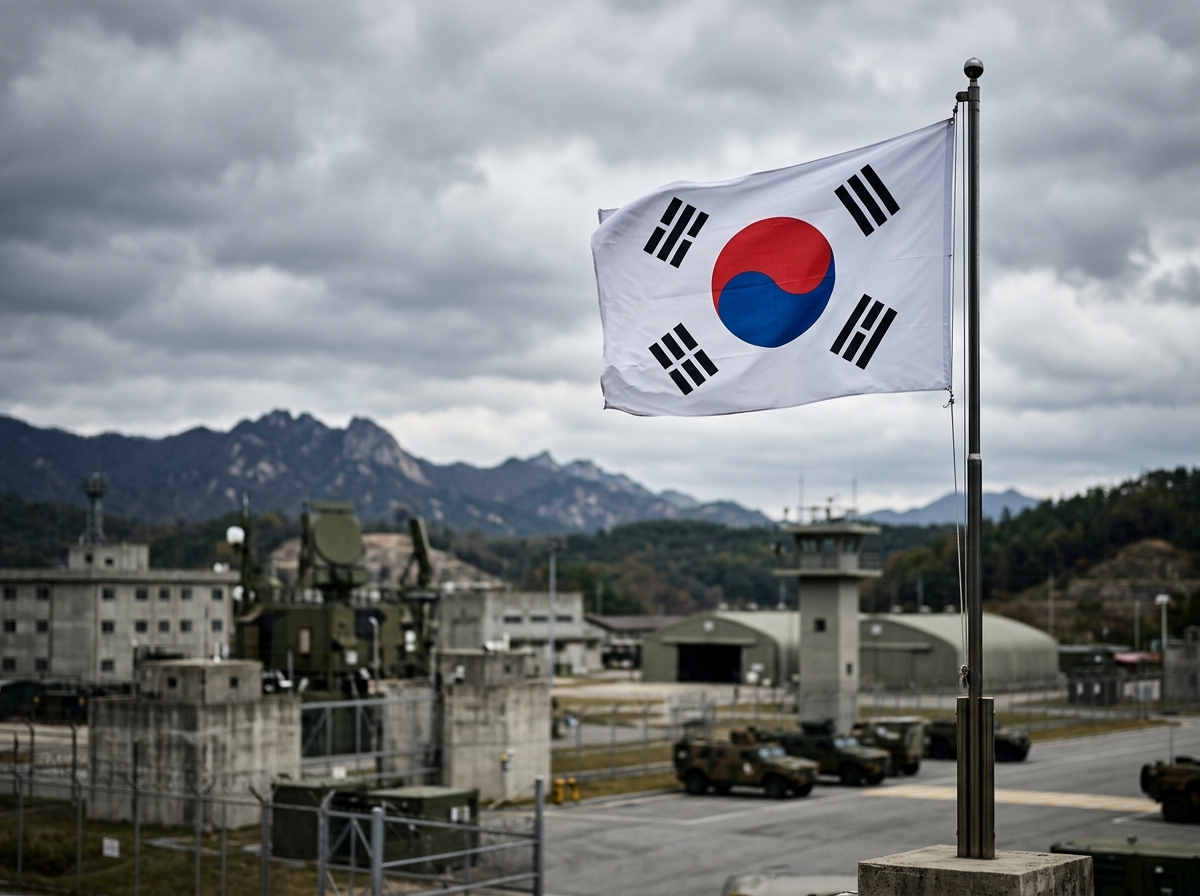
South Korea maintains one of the world’s most comprehensive conscription systems, rooted in the ongoing technical state of war with North Korea. The 1953 armistice ended active combat but never produced a formal peace treaty, leaving the peninsula divided by a heavily militarized border.
All able-bodied South Korean men must serve approximately 18–21 months before age 30 (recently revised to 28, then adjusted again depending on legislative changes). The service period varies by branch:
- Army and Marines: ~18 months
- Navy: ~20 months
- Air Force: ~21 months
Exemptions exist but are narrow. Olympic medalists and certain classical musicians and athletes who win government-designated competitions can receive alternative service. Pop culture figures — including K-pop idols and actors — have no such exemption, a policy that has sparked recurring public debate.
Why BTS’s Case Was Different
BTS is not the first K-pop group to enlist. BIGBANG, Super Junior, EXO, and countless others paused careers for service. But BTS’s global scale was unprecedented.
By the early 2020s, the group had:
- Multiple No. 1 albums on the Billboard 200
- The first all-Korean-language song (“Dynamite” was in English, but later tracks like “Life Goes On” charted high) to top major international charts
- Addressed the United Nations General Assembly multiple times
- Generated billions in estimated economic value for South Korea through tourism, exports, and soft power
A 2018 report from the Hyundai Research Institute estimated BTS contributed roughly $3.6 billion annually to the South Korean economy. The group’s influence extended beyond music into diplomacy, fashion, and cultural exports. South Korea’s government even issued special diplomatic passports to the members in recognition of their role promoting Korean culture globally.
The Debate Over Exemption
As the eldest member Jin approached the enlistment age cutoff, intense public debate erupted. Should cultural figures who elevate Korea’s global standing receive the same exemptions as athletes?
Arguments for exemption:
- Economic contribution rivaled or exceeded Olympic gold medal winners
- Soft power and cultural diplomacy benefits were measurable
- Precedent existed for other exceptional achievements
Arguments against:
- Fair treatment: millions of Korean men serve without exception
- Pop culture achievements are subjective compared to objective sports results
- Public backlash risk if entertainers received special treatment
The South Korean National Assembly debated legislation multiple times. In the end, no exemption was granted. BTS’s agency, HYBE (formerly Big Hit Entertainment), issued statements affirming all members would serve when the time came.
The Global Reaction
The international media response reflected BTS’s unique position. Unlike previous K-pop enlistments that registered primarily in Asia-focused entertainment news, BTS’s enlistment announcements landed on front pages and in primetime broadcasts worldwide.

Several factors drove this:
-
Fanbase scale: BTS’s ARMY fandom spans every continent, with organized fanbases in over 100 countries. Social media trends routinely broke records when members posted updates.
-
Economic stakes: HYBE’s stock price moved noticeably with enlistment news. Investors and business media tracked the group’s hiatus as a significant market event.
-
Cultural curiosity: For many Western audiences, mandatory military service is unfamiliar. The story became a lens into South Korean society and geopolitics.
-
Timeline uncertainty: A roughly two-year hiatus for the full group (with staggered enlistments) meant fans, industry observers, and investors all faced unprecedented questions about the world’s biggest music act going on pause.
💡 Context: South Korea’s entertainment industry historically structured group promotions around military service, often having members enlist in pairs or sequence to maintain some public presence.
How the Enlistment Timeline Unfolded
Jin, the eldest member, enlisted in December 2022, assigned to an Army infantry division. Other members followed on staggered schedules aligned with their birth years and the age-30 (later 28) deadline. J-Hope enlisted in April 2023, followed by Suga (alternative service as a social service worker due to a prior shoulder injury, later transferred to active duty), RM, V, Jimin, and Jungkook through 2023.
HYBE confirmed the full group would reunite in 2025, after all members completed service. Solo projects, pre-recorded content, and archival releases filled the gap, but no group activities occurred during active service periods.
Why It Mattered Beyond K-pop
BTS’s enlistment became a case study in how globalized entertainment intersects with national policy. South Korea’s soft power strategy relies heavily on cultural exports — the “Korean Wave” or Hallyu — but that strategy still defers to domestic laws designed for a very different context.
The story also highlighted the unique pressures on South Korean men. While international fans debated exemptions, Korean public opinion largely supported equal treatment. Polls showed many Koreans viewed military service as a shared civic duty, and exempting entertainers risked public resentment.
For the members themselves, enlistment represented both obligation and a break from over a decade of relentless schedules. The group had maintained an extraordinary pace since debut in 2013, with little extended time off.
What Comes Next
The enlistment years marked the first prolonged pause in BTS’s career. Industry observers watched closely: could the group return to its peak? Would the music landscape shift in their absence? Would solo careers fragment the fanbase?
The precedent set by earlier groups offered some roadmap — but none had reached BTS’s level before enlisting. The outcome remained uncertain, but the enlistments themselves entered the historical record as a moment when a single group’s compliance with national law became a global news event, reflecting both the power of modern fandoms and the enduring weight of decades-old geopolitical realities on the Korean peninsula.