BTS at the UN: Why Their Speeches Mattered to a Global Fanbase
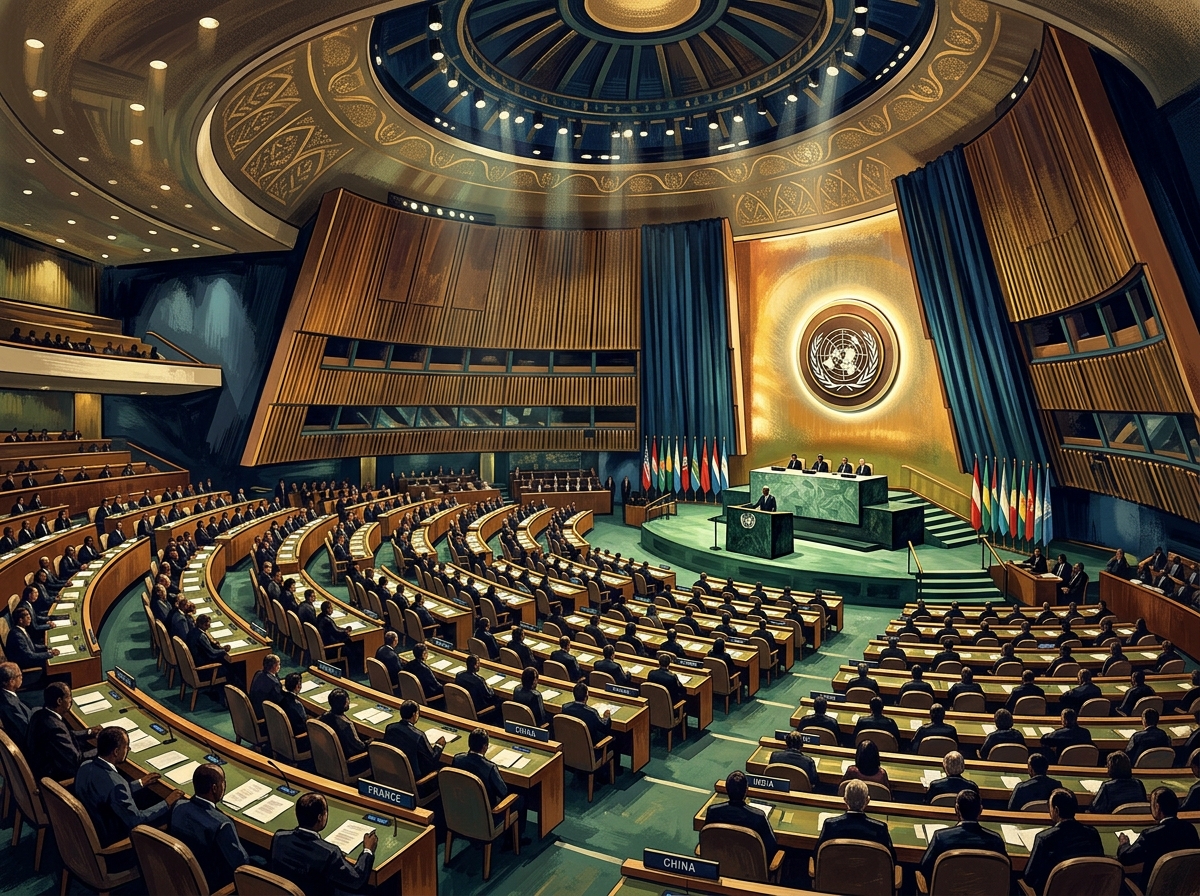
When BTS walked into the United Nations headquarters, they weren’t just representing K-pop—they were speaking for a generation. Between 2018 and 2021, the South Korean group addressed the UN General Assembly on multiple occasions, becoming the first K-pop act to do so and cementing their role as global youth advocates. For millions of fans worldwide, these moments transcended music and offered something rare: validation that their voices, struggles, and dreams mattered on the world’s biggest diplomatic stage.
The 2018 Speech: “Speak Yourself” and Self-Love
BTS’s first UN appearance came in September 2018, when they spoke at a UNICEF event launching the Generation Unlimited youth initiative. The group had partnered with UNICEF since 2017 for their “Love Myself” anti-violence campaign, which had already raised millions of dollars globally.
Leader RM delivered the speech in English, addressing an audience of world leaders and diplomats. The central message—“Speak Yourself”—urged young people to embrace their identities and share their stories without shame. He spoke candidly about his own experiences with self-doubt and the pressure to conform, acknowledging moments when he’d lost his own voice.
Why It Resonated
The speech wasn’t written in typical diplomatic language. It felt personal, vulnerable, and direct—qualities that had always defined BTS’s music and fan relationship. For a generation navigating social media comparison culture, mental health struggles, and uncertainty about the future, hearing these themes validated at the UN felt revolutionary.
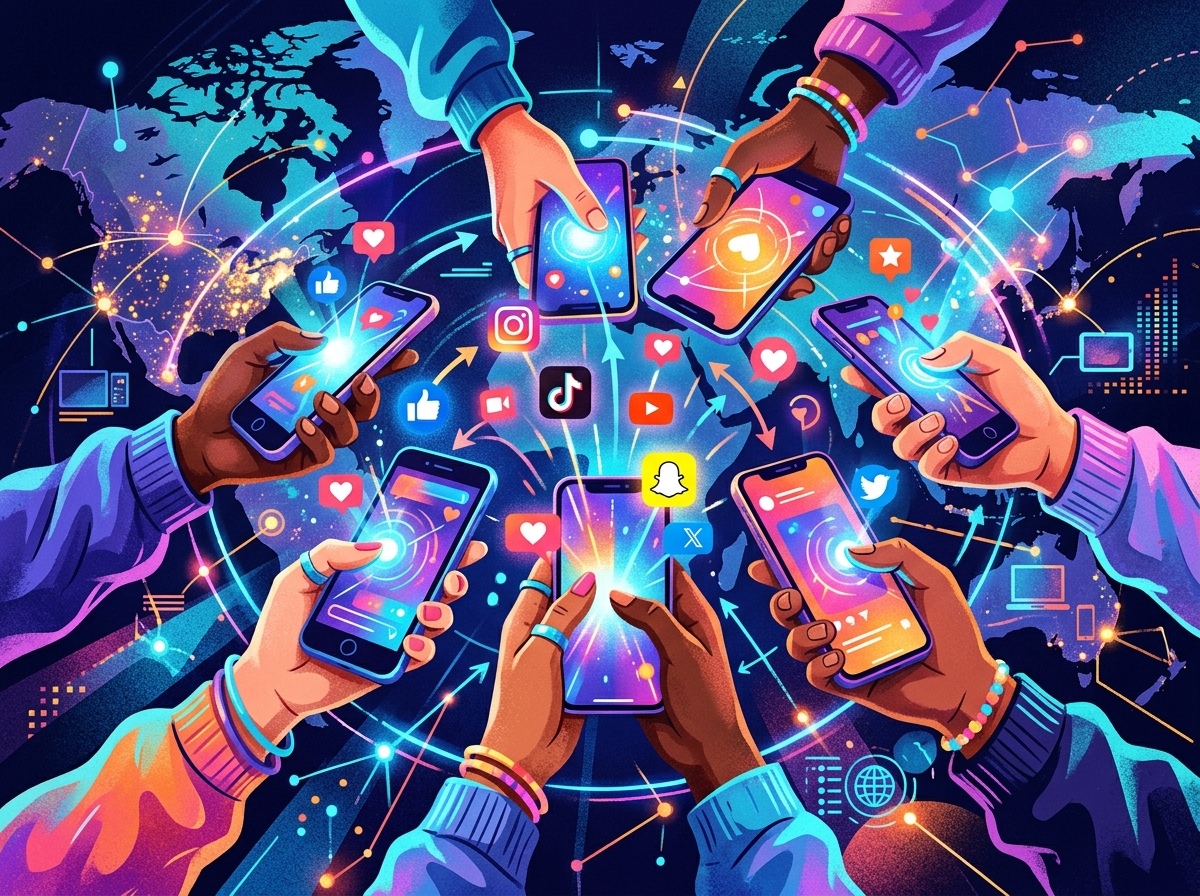
Fans—collectively known as ARMY—responded by sharing their own stories on social media using campaign hashtags, creating a global conversation about youth mental health and self-acceptance that extended far beyond the initial speech.
💡 Context: BTS’s UN partnership wasn’t symbolic—their Love Myself campaign with UNICEF raised over $3.6 million by 2020, funding programs supporting children and teens affected by violence worldwide.
The 2021 Return: Sustainability and COVID-Era Youth
BTS returned to the UN in September 2021 as Special Presidential Envoys for Future Generations and Culture, appointed by South Korea’s government. This time, they addressed the 76th UN General Assembly during the Sustainable Development Goals Moment, speaking about climate change, vaccines, and the challenges young people faced during the COVID-19 pandemic.
All seven members spoke briefly during this appearance, making it more collaborative than the 2018 speech. They discussed feeling “lost” during lockdown, missing live performances and connection with fans, and emphasized the importance of vaccination. The group also filmed a special performance video of their hit “Permission to Dance” inside the UN General Assembly hall—a first for any musical artist.
A Diplomatic Role Beyond Music
By 2021, BTS’s UN presence had shifted from advocacy partners to official diplomatic representatives. Their appointment as presidential envoys reflected South Korea’s recognition of the group’s global soft power and their ability to reach younger demographics that traditional diplomacy often struggles to engage.
The speeches addressed concrete policy issues—vaccine equity, climate action, education access—while maintaining the group’s characteristic sincerity. They acknowledged uncertainty and struggle rather than offering platitudes, which kept their message relatable even in a formal setting.
Why ARMY Cared: Representation and Permission
For fans, BTS’s UN appearances mattered for reasons that went beyond pride in their favorite group’s achievements. These moments represented several important shifts:
Cultural representation: A K-pop group—still often dismissed as a niche “boy band” phenomenon—was being taken seriously by global institutions. For international fans, especially those from marginalized communities, seeing artists they connected with treated as legitimate voices at the UN challenged stereotypes about what “serious” culture looks like.
Language and accessibility: RM’s 2018 speech in English, and the group’s mix of Korean and English in 2021, demonstrated that global youth advocacy doesn’t require abandoning cultural identity. The speeches were subtitled and translated into dozens of languages by fans, creating accessibility that official UN channels often lack.
Permission to be imperfect: Rather than presenting themselves as having all the answers, BTS spoke about their own ongoing struggles. This gave fans permission to be works in progress—a powerful message in cultures that often demand youth have their entire futures figured out immediately.
The Ripple Effect: From Speech to Action
Both UN appearances sparked measurable engagement from BTS’s fanbase. The Love Myself campaign saw donation spikes following each speech, and ARMY organized their own charitable initiatives inspired by the themes discussed.
Social media analytics showed millions of posts engaging with topics like mental health, climate action, and education in the days following each speech—far exceeding typical UN event engagement. The speeches effectively functioned as a bridge, introducing policy issues to audiences who might never watch traditional diplomatic proceedings.
| Year | Event | Key Focus Areas |
|---|---|---|
| 2018 | UNICEF Generation Unlimited | Self-acceptance, youth empowerment, anti-violence |
| 2021 | SDG Moment (76th UNGA) | COVID recovery, vaccination, climate action, education |
Critics noted that celebrity diplomacy has limits—speeches alone don’t create policy change. But for the young people watching, the symbolic power was undeniable. Seeing artists who sang about anxiety, pressure, and self-doubt taken seriously at the highest level of global governance sent a message that their generation’s concerns deserved attention.
The Legacy: Entertainment Meets Advocacy
BTS’s UN speeches established a template for how entertainment figures can engage with global institutions without losing authenticity. They didn’t become politicians or claim expertise they didn’t have. Instead, they used their platform to amplify conversations their audience already cared about and connected policy issues to lived experiences.
For ARMY, these moments remain among the group’s most significant achievements—not just as career milestones, but as validation that the connection between artists and fans can extend into meaningful advocacy. In an era when young people often feel unheard by institutions, BTS’s UN appearances offered something powerful: proof that their voices, and the issues they care about, have a place at the table.